
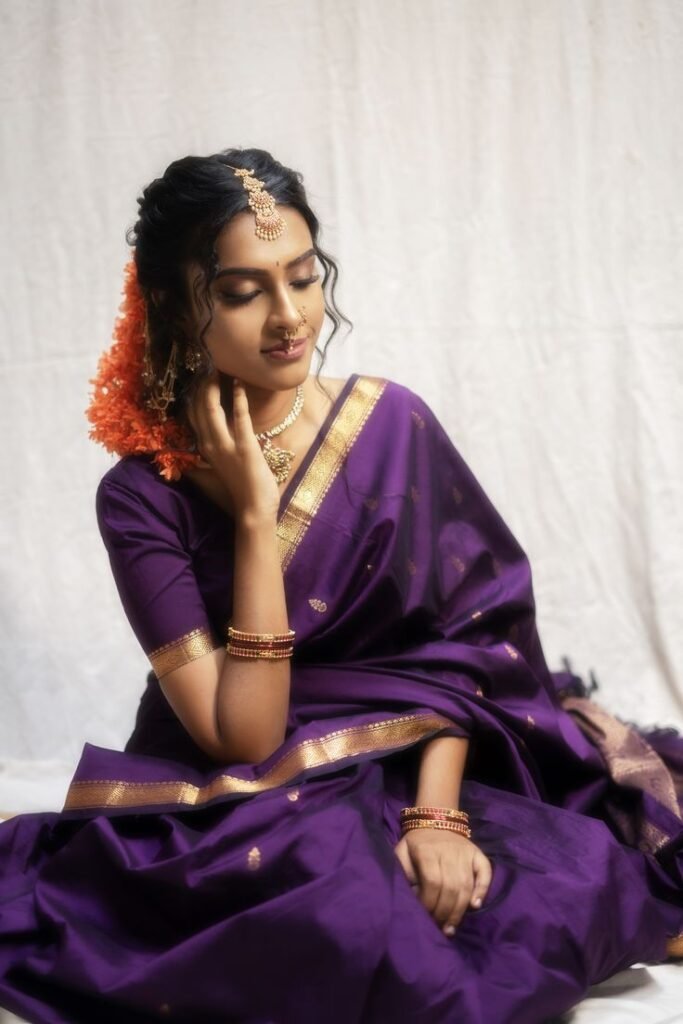
The cultural richness of India is beautifully reflected in its traditional clothing. Among all ethnic garments, sarees hold a unique and respected place. Worn by women across generations, they represent grace, tradition, and timeless beauty. From daily wear to grand celebrations, this attire continues to be a symbol of elegance and identity.
Across India, different regions contribute their own weaving styles, fabrics, and draping methods. This diversity makes ethnic fashion one of the most vibrant and varied clothing traditions in the world. Whether it is a simple cotton drape or a heavily embroidered bridal outfit, this attire has a style for every occasion.
Even in modern fashion trends, traditional clothing remains highly relevant. Designers continue to innovate while preserving cultural heritage, making ethnic outfits popular among younger generations as well.
Table of Contents
The Cultural Importance of Traditional Drapes
India has a long history of textile craftsmanship. For centuries, artisans have created handwoven fabrics using techniques passed down through generations. These garments are not just clothing; they represent cultural pride, regional identity, and artistic excellence.
Different states in India have their own signature styles:
- Banarasi weaving from Uttar Pradesh
- Kanjeevaram silk from Tamil Nadu
- Bandhani prints from Gujarat and Rajasthan
- Chikankari embroidery from Lucknow
- Paithani weaving from Maharashtra
Each style reflects the history and traditions of its region. The beauty of sarees lies in how they preserve this diversity while remaining universally admired.
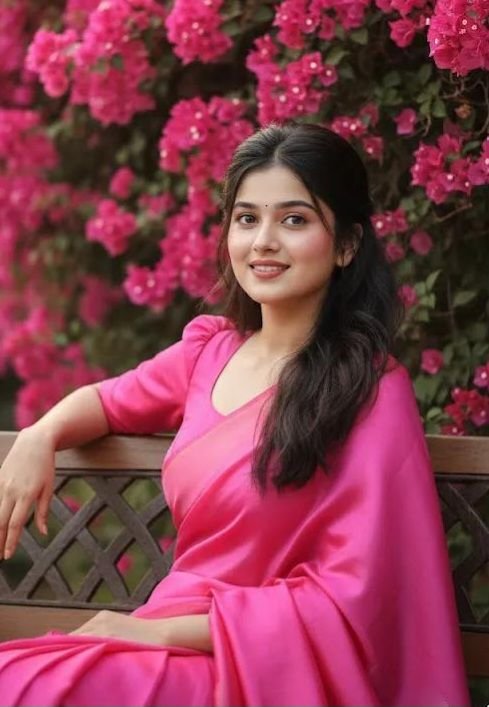
Why This Traditional Outfit Remains Popular
Despite the rise of modern fashion, ethnic clothing continues to remain relevant. There are several reasons for its lasting popularity.
1. Versatility
It can be worn for weddings, festivals, office events, and casual outings. Few garments offer such flexibility.
2. Cultural Identity
Wearing traditional attire often reflects cultural pride and respect for heritage.
3. Wide Variety
From lightweight fabrics to heavy silk designs, there is something for every preference and occasion.
4. Elegance
The draping style enhances natural beauty and creates a graceful silhouette.
Because of these qualities, sarees continue to be a preferred choice for women across different age groups.
Types of Fabrics Used in Traditional Clothing
Fabric plays a major role in defining comfort, appearance, and suitability for different occasions.
Cotton
Cotton is breathable, soft, and ideal for daily wear, especially in hot climates.
Silk
Silk is associated with luxury and celebration. It is often chosen for weddings and festive events.
Georgette
Lightweight and flowy, georgette offers comfort with elegance.
Chiffon
Chiffon is delicate and smooth, making it suitable for stylish and modern draping.
Linen
Linen provides a natural and minimal look, popular in office and casual wear.
The variety of fabrics ensures that sarees can meet the needs of different lifestyles and seasons.
Popular Styles Across India
India is home to many regional textile traditions, each offering a unique design style.
South Indian Silk Styles
Known for their rich texture and gold borders, these are often worn during weddings and temple visits.
North Indian Embroidered Styles
These feature intricate embroidery, mirror work, and heavy embellishments.
Western Printed Styles
These focus on lightweight fabrics with modern prints and minimal designs.
Eastern Traditional Weaves
These are known for fine craftsmanship and artistic motifs inspired by nature.
Each style contributes to the diversity and richness of sarees as a fashion category.
The Art of Draping
One of the most unique aspects of this traditional outfit is its draping style. Unlike stitched garments, it can be styled in multiple ways depending on the region and occasion.
Popular draping styles include:
- Nivi style (most common)
- Bengali style
- Gujarati style
- Maharashtrian style
- Kerala traditional style
Each draping method creates a different look while maintaining cultural significance. This flexibility is one reason why sarees remain timeless in fashion.
Occasion-Based Styling Choices
Choosing the right outfit depends on the event and purpose.
Weddings
Heavy silk and embellished designs are preferred for bridal and ceremonial functions.
Festivals
Bright colors and traditional patterns are popular during celebrations.
Office Wear
Simple cotton or printed styles provide comfort and professionalism.
Casual Wear
Lightweight fabrics are ideal for daily activities and informal gatherings.
This adaptability makes sarees suitable for nearly every occasion in life.
Accessories That Enhance the Look
Accessories play an important role in completing the outfit.
Jewelry
Gold, silver, or traditional handcrafted jewelry enhances elegance.
Footwear
Juttis, sandals, and heels are commonly paired depending on the style.
Bags
Small clutches or potli bags are often used during festive occasions.
Hairstyles
Buns, braids, and loose curls complement traditional attire beautifully.
When styled correctly, sarees create a balanced and graceful appearance.
Modern Influence on Traditional Fashion
Fashion designers today are blending traditional craftsmanship with modern silhouettes. This has led to the creation of fusion styles that appeal to younger audiences.
Some modern adaptations include:
- Pre-stitched drapes
- Belted styles
- Jacket combinations
- Ruffled designs
- Contemporary blouse patterns
These innovations have made ethnic clothing more convenient while preserving its cultural essence. As a result, sarees continue to evolve with changing fashion trends.
Sure — here’s a clean blog-style content using the focus keyword “sarees” naturally.
The Timeless Charm of Sarees in Indian Fashion
Traditional Indian clothing has always reflected culture, elegance, and heritage. Among all ethnic outfits, sarees hold a special place as one of the most graceful and versatile garments. Worn by women across India for centuries, they continue to remain a symbol of tradition and beauty.
The appeal of sarees lies in their simplicity and diversity. They are available in countless fabrics, designs, and draping styles, making them suitable for every occasion. From daily wear cotton styles to heavily embroidered silk versions, there is a perfect option for everyone.
One of the most beautiful aspects of sarees is their ability to suit all age groups. Young women often prefer lightweight and modern designs, while older generations admire traditional weaves and rich fabrics. This makes them a truly timeless outfit.
In Indian culture, sarees are commonly worn during festivals, weddings, religious ceremonies, and family celebrations. They represent respect for tradition while also allowing personal expression through color, fabric, and styling.
Modern fashion has also embraced sarees in creative ways. Designers now experiment with pre-stitched styles, fusion blouses, and contemporary draping techniques. This has made them more convenient while still preserving their traditional charm.
Another reason for their popularity is their elegance. Few outfits can match the grace that sarees bring when draped properly. The flowing fabric enhances natural beauty and creates a sophisticated look without much effort.
Over time, sarees have also become a global fashion statement. Women around the world appreciate their craftsmanship, cultural value, and unique aesthetic appeal. They are often showcased in fashion shows, weddings, and cultural events internationally.
Proper care is important to maintain their beauty. Lightweight fabrics should be handled gently, while silk varieties often require dry cleaning. Storing them carefully helps preserve their texture and design for years.
In conclusion, sarees are more than just clothing—they are a reflection of Indian tradition, artistry, and timeless elegance. Their ability to evolve with fashion trends while maintaining cultural significance ensures they will always remain a beloved choice for generations to come.
Why This Outfit Is Still Loved Worldwide
Indian ethnic fashion has gained international recognition. Celebrities, designers, and fashion enthusiasts around the world appreciate its elegance and craftsmanship.
Reasons for global popularity:
- Unique handwoven designs
- Rich cultural heritage
- Luxurious appearance
- Versatile styling options
This global appreciation has helped increase demand for traditional wear in international markets. Today, sarees are not only a symbol of Indian culture but also a global fashion statement.
Care and Maintenance Tips
Proper care ensures longevity and maintains fabric quality.
Washing
Delicate fabrics should be dry cleaned or gently hand washed.
Storage
Store in cotton or muslin cloth to prevent damage.
Ironing
Use low heat settings for delicate materials.
Avoid Moisture
Keep away from damp areas to preserve fabric strength.
With proper care, sarees can last for many years and even become family heirlooms.
Traditional Weaving Techniques and Craftsmanship
The beauty of Indian ethnic fashion lies in its detailed craftsmanship. Skilled artisans spend years mastering weaving techniques that have been passed down through generations. Each design is carefully created using handlooms, fine threads, and traditional methods that require patience and precision.
One of the most admired aspects is the use of zari work, where metallic threads are woven into fabric to create intricate patterns. These patterns often include floral motifs, paisley designs, and geometric shapes inspired by nature and heritage architecture.
In many weaving centers across India, entire communities depend on this craft for their livelihood. The weaving process is slow and detailed, often taking several weeks or even months to complete a single piece depending on its complexity. This dedication makes each garment unique and valuable.
Such handcrafted textiles are not just fashion items; they are a reflection of India’s artistic legacy and cultural richness.
Color Symbolism in Traditional Fashion
Colors play a powerful role in ethnic clothing. Each shade carries cultural meaning and emotional significance.
Red
Symbolizes prosperity, love, and celebration. It is commonly chosen for weddings and festive occasions.
Yellow
Represents joy, positivity, and energy. It is often worn during religious ceremonies.
Green
Associated with harmony, growth, and freshness.
Blue
Represents calmness, elegance, and sophistication.
Gold
Symbolizes luxury, wealth, and grandeur, often used in bridal attire.
Color selection enhances the overall look and helps express personality and mood through clothing.
Contemporary Fashion Trends
Modern fashion has introduced new interpretations of traditional attire. Designers are experimenting with silhouettes, fabrics, and styling techniques to appeal to younger generations.
Some popular trends include:
- Pre-stitched draping styles for convenience
- Fusion outfits combining ethnic and western elements
- Lightweight fabrics for comfort and mobility
- Minimalist embroidery for modern elegance
- Belted drapes for structured styling
These innovations allow traditional fashion to remain relevant in everyday life while still honoring cultural roots.
The evolving nature of ethnic fashion ensures that it continues to attract both traditional wearers and modern fashion enthusiasts.
Global Influence of Indian Ethnic Fashion
Indian textile heritage has gained recognition on international fashion platforms. Designers from around the world often draw inspiration from Indian weaving techniques, embroidery styles, and fabric patterns.
Celebrities frequently wear Indian-inspired outfits at global events, increasing visibility and appreciation for this traditional art form. Fashion weeks and exhibitions also showcase handcrafted garments, highlighting the skill of Indian artisans.
This global exposure has created new opportunities for weavers and designers, helping preserve traditional crafts while expanding their reach.
Buying Guide: How to Choose the Right Ethnic Outfit
When purchasing traditional attire, several factors should be considered to ensure the right choice.
Fabric Quality
Always check the texture, weave, and durability of the fabric.
Occasion
Heavy designs are suitable for weddings, while lighter ones are better for casual or office wear.
Comfort
Choose breathable fabrics for long events or daily use.
Authenticity
Handwoven pieces often carry unique patterns and slight variations, making them more valuable.
Budget
Prices vary depending on craftsmanship, material, and detailing.
A well-chosen ethnic outfit can enhance confidence and create a lasting impression.
Styling Tips for a Complete Look
Styling plays an important role in enhancing traditional fashion.
Jewelry
Traditional jewelry like jhumkas, bangles, and chokers pairs beautifully with ethnic outfits.
Footwear
Heels, sandals, or traditional footwear complete the overall appearance.
Makeup
Soft glam or traditional makeup enhances elegance without overpowering the outfit.
Hairstyle
Buns decorated with flowers or simple braided styles complement ethnic wear perfectly.
The right combination of styling elements elevates the overall appearance and creates a graceful look.
Care and Preservation
Proper maintenance is essential to preserve the beauty of handcrafted garments.
- Store in a dry and cool place
- Use muslin cloth for wrapping
- Avoid direct sunlight exposure for long periods
- Dry clean delicate fabrics
- Fold carefully to avoid damage to embroidery
With proper care, these garments can last for generations and even become family heirlooms.
Why This Traditional Fashion Will Never Fade
Despite changing trends, ethnic fashion continues to hold a strong position in the fashion industry. Its cultural significance, artistic value, and timeless appeal make it irreplaceable.
Younger generations are also embracing traditional styles in new ways, blending them with modern fashion. Social media and digital platforms have further increased awareness and appreciation.
This balance between tradition and innovation ensures that ethnic fashion remains relevant for years to come.
Conclusion
Traditional Indian fashion represents more than clothing—it reflects heritage, identity, and craftsmanship. From regional weaving styles to modern interpretations, it continues to evolve while preserving its cultural roots.
The elegance, versatility, and artistic richness of ethnic attire make it a timeless choice for women across generations. Whether worn for weddings, festivals, or special occasions, it always carries a sense of grace and tradition.
As fashion continues to change, the charm of handcrafted ethnic wear will always remain a symbol of beauty, culture, and pride.