
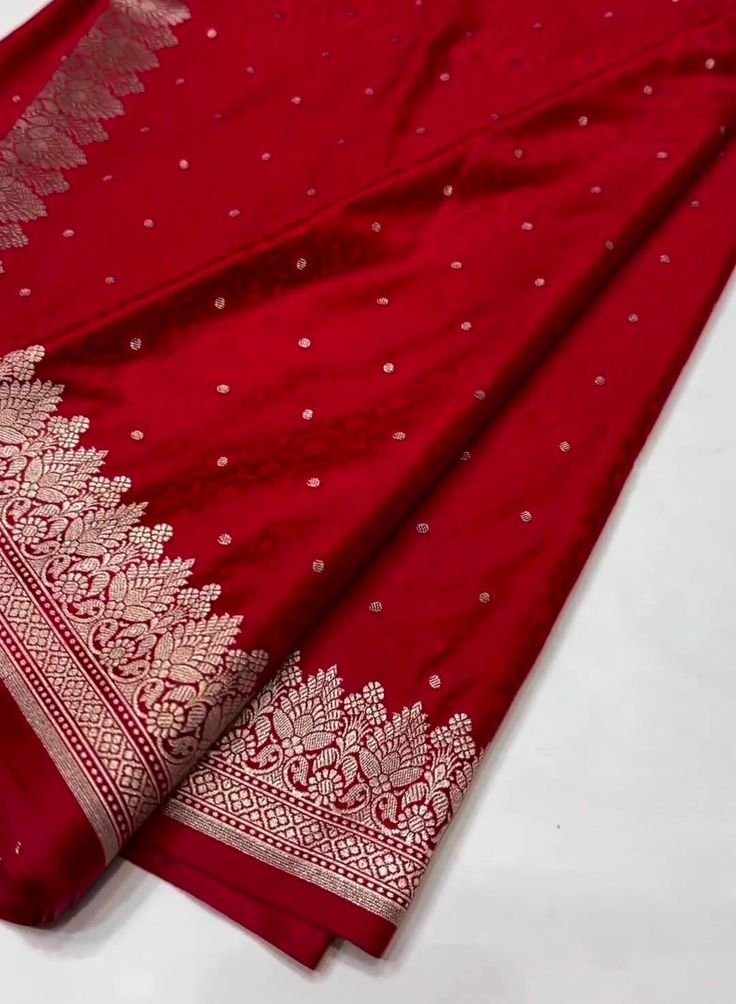
Banarasi saree indian ethnic fashion is known for its rich traditions, artistic craftsmanship, and timeless appeal. Among the many traditional garments that have captured the hearts of women across generations, the Banarasi Saree holds a special place. Renowned for its luxurious fabric, intricate weaving techniques, and royal appearance, this iconic attire represents centuries of cultural heritage and artistic excellence.
Originating from the ancient city of Varanasi, also known as Banaras, these sarees have been cherished by royalty, brides, and fashion enthusiasts for centuries. Their exquisite craftsmanship and sophisticated designs make them one of the most treasured garments in Indian fashion. Whether worn during weddings, festivals, religious ceremonies, or grand celebrations, these sarees continue to symbolize grace, tradition, and elegance.
In today’s fashion world, traditional clothing has evolved significantly, yet the charm of handcrafted ethnic wear remains unmatched. Among all ethnic garments, few can rival the beauty and prestige associated with this classic masterpiece.
Table of Contents
History and Origin
The history of this celebrated saree dates back several centuries. Varanasi has long been recognized as a center of textile weaving and craftsmanship. During the Mughal era, skilled artisans were encouraged to create luxurious fabrics featuring intricate floral motifs, detailed patterns, and elaborate embroidery-inspired weaving techniques.
Persian influences blended beautifully with Indian artistic traditions, resulting in the development of unique weaving styles that became famous throughout the country. Over time, local craftsmen perfected their techniques, producing textiles that reflected both cultural heritage and royal sophistication.
The popularity of the Banarasi Saree grew rapidly among noble families and royal households. These garments became symbols of wealth, status, and refined taste. Even today, the weaving traditions established centuries ago continue to inspire artisans who dedicate their lives to preserving this remarkable craft.
Why These Sarees Are So Special
Several factors contribute to the enduring popularity of these traditional garments.
Exceptional Craftsmanship
Every saree requires immense skill, patience, and attention to detail. Experienced weavers spend weeks or even months creating a single piece, depending on the complexity of the design.
Rich Cultural Heritage
These sarees are more than fashion items; they represent generations of artistic tradition and cultural identity. Each design reflects the history and craftsmanship of the region.
Luxurious Appearance
The combination of fine silk, intricate motifs, and detailed weaving creates an elegant and regal look suitable for special occasions.
Versatility
Although traditionally associated with weddings and festivals, modern designs allow women to wear these sarees at various formal and cultural events.
These qualities have helped the Banarasi Saree maintain its status as one of India’s most admired traditional garments.
Traditional Weaving Techniques
The beauty of these sarees lies in their intricate weaving methods. Skilled artisans use specialized looms and traditional techniques that have been passed down through generations.
Brocade Weaving
Brocade weaving involves creating raised patterns directly into the fabric using additional threads. This technique gives the saree its distinctive richness and texture.
Zari Work
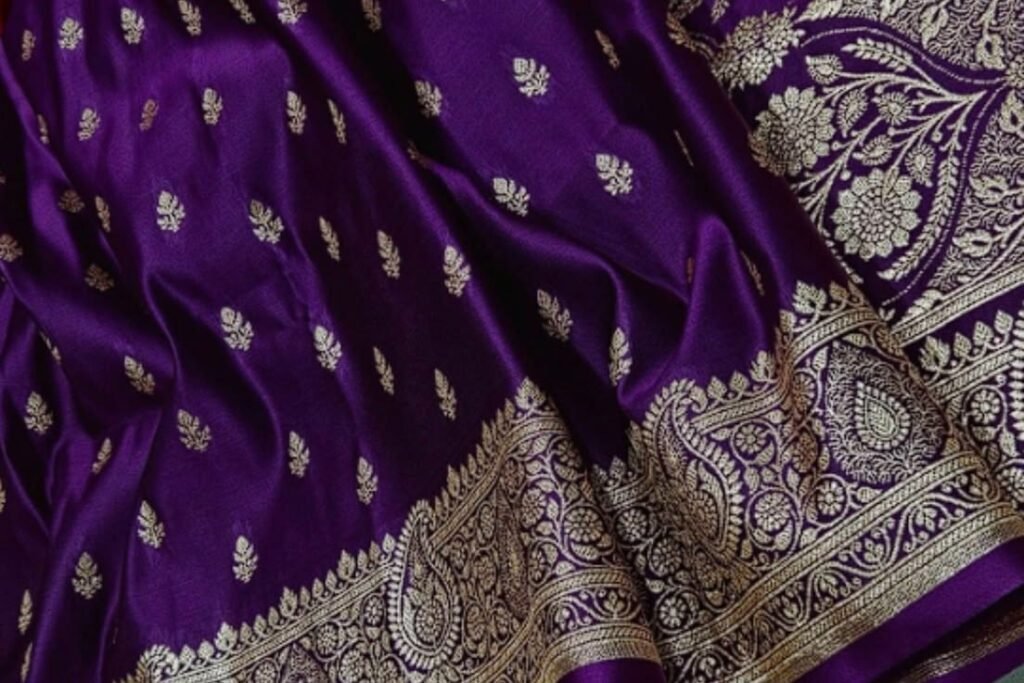
Zari refers to metallic threads traditionally made from gold or silver. These threads are woven into the fabric to create elaborate motifs and decorative borders.
Cutwork Technique
Cutwork designs are created by removing excess threads after weaving, producing intricate patterns that add elegance to the final garment.
Jangla Designs
Jangla patterns feature elaborate floral and vine motifs spread across the entire fabric. These designs are considered highly luxurious and require significant expertise.
The remarkable artistry involved in creating a Banarasi Saree demonstrates the dedication and skill of Indian weavers.
The Timeless Beauty of Traditional Silk Weaving
This iconic Indian attire is known for its rich texture, intricate patterns, and royal appearance. Originating from one of the oldest cities in India, it represents centuries of skilled craftsmanship passed down through generations of artisans.
Each piece is carefully woven using fine silk threads combined with metallic zari work, creating elaborate motifs inspired by nature, Mughal art, and traditional Indian culture. The result is a luxurious fabric that stands out for its elegance and detail.
These garments are especially popular during weddings, festive celebrations, and cultural events. Their grandeur makes them a preferred choice for brides who want a regal and traditional look on their special day.
The weaving process is highly detailed and time-consuming. Skilled weavers often spend weeks or even months completing a single piece, depending on the complexity of the design. This dedication reflects the deep cultural value associated with this art form.
Modern fashion designers have also begun blending traditional weaving techniques with contemporary styles. This has made the attire more versatile, allowing it to be worn in both traditional and modern settings.
Colors such as deep red, royal blue, emerald green, and golden shades are commonly used, each symbolizing prosperity, elegance, and celebration. The combination of color, fabric, and craftsmanship creates a timeless appeal that continues to attract fashion lovers across generations.
This traditional weave is not just clothing—it is a representation of heritage, artistry, and cultural pride that continues to remain relevant even in today’s evolving fashion world.
Different Types of Banarasi Sarees
Over the years, various styles have emerged to suit different preferences and occasions.
Pure Silk Sarees
Pure silk varieties are known for their smooth texture, luxurious appearance, and traditional appeal. They are especially popular during weddings and grand celebrations.
Organza Sarees
These sarees feature lightweight fabric combined with intricate zari work, creating a graceful and sophisticated appearance.
Georgette Sarees
Georgette versions offer comfort and elegance while maintaining traditional design elements.
Shattir Sarees
Shattir fabric is often used to create contemporary designs that appeal to modern fashion preferences.
Tissue Sarees
Tissue varieties feature shimmering textures and delicate craftsmanship, making them ideal for festive occasions.
Each style offers unique characteristics while preserving the artistic essence of the Banarasi Saree tradition.
Popular Motifs and Design Elements
The intricate patterns found on these sarees contribute significantly to their beauty and uniqueness.
Floral Motifs
Inspired by nature, floral patterns remain among the most popular design elements.
Paisley Designs
Paisley motifs symbolize prosperity and elegance, making them common choices for traditional garments.
Mughal-Inspired Patterns
Many designs reflect architectural and artistic influences from the Mughal era.
Leaf and Vine Patterns
Delicate vines and foliage motifs add sophistication and visual appeal.
Geometric Designs
Contemporary versions often incorporate geometric patterns to create a modern aesthetic.
These artistic details help distinguish each Banarasi Saree as a unique work of craftsmanship.
Importance in Indian Weddings
Traditional weddings often feature elaborate attire that reflects cultural values and family traditions. Among bridal garments, these sarees hold exceptional significance.
Many brides choose them because they symbolize prosperity, heritage, and timeless beauty. The luxurious fabric, detailed zari work, and rich colors create a regal appearance suitable for one of life’s most important occasions.
Popular bridal colors include:
- Red
- Maroon
- Royal Blue
- Emerald Green
- Magenta
- Gold
- Wine
A carefully selected Banarasi Saree can become a treasured heirloom passed down through generations.
Choosing the Perfect Saree
Selecting the right saree requires consideration of several factors.
Consider the Occasion
Formal weddings and grand celebrations may require heavily embellished designs, while simpler styles are suitable for smaller gatherings.
Evaluate Fabric Quality
High-quality silk provides durability, comfort, and a luxurious appearance.
Examine Weaving Details
Authentic handcrafted pieces feature intricate weaving and precise craftsmanship.
Choose Suitable Colors
Select colors that complement your complexion and align with the event’s theme.
Check Weight and Comfort
Some heavily woven sarees may be heavier than others, so comfort should also be considered.
Investing time in choosing the right Banarasi Saree ensures both elegance and satisfaction.
Styling Tips for a Royal Look
The beauty of traditional attire can be enhanced through thoughtful styling.
Jewelry Selection
Classic jewelry pieces complement the richness of these sarees beautifully.
Popular options include:
- Gold necklaces
- Kundan sets
- Temple jewelry
- Pearl accessories
- Traditional earrings
Hairstyle Ideas
Elegant hairstyles can elevate the overall appearance.
Popular choices include:
- Low buns
- Braided styles
- Soft curls
- Floral hair accessories
Footwear
Traditional footwear such as juttis and embellished sandals pair well with ethnic ensembles.
Makeup
Balanced makeup that complements the saree’s colors creates a polished and sophisticated look.
Proper styling allows a Banarasi Saree to showcase its full elegance and charm.
Conclusion
Traditional fashion remains a powerful blend of heritage, artistry, and modern style. From elegant sarees and comfortable kurtis to luxurious lehengas and sophisticated Anarkali suits, ethnic clothing offers endless possibilities for self-expression.
The enduring popularity of Indian wear comes from its ability to honor cultural traditions while embracing contemporary trends. With a wide range of fabrics, designs, and styling options available, it continues to meet the needs of modern consumers across different occasions and preferences.
Whether you are attending a wedding, celebrating a festival, going to work, or simply enjoying a casual outing, Indian wear provides the perfect balance of comfort, elegance, and timeless beauty.