
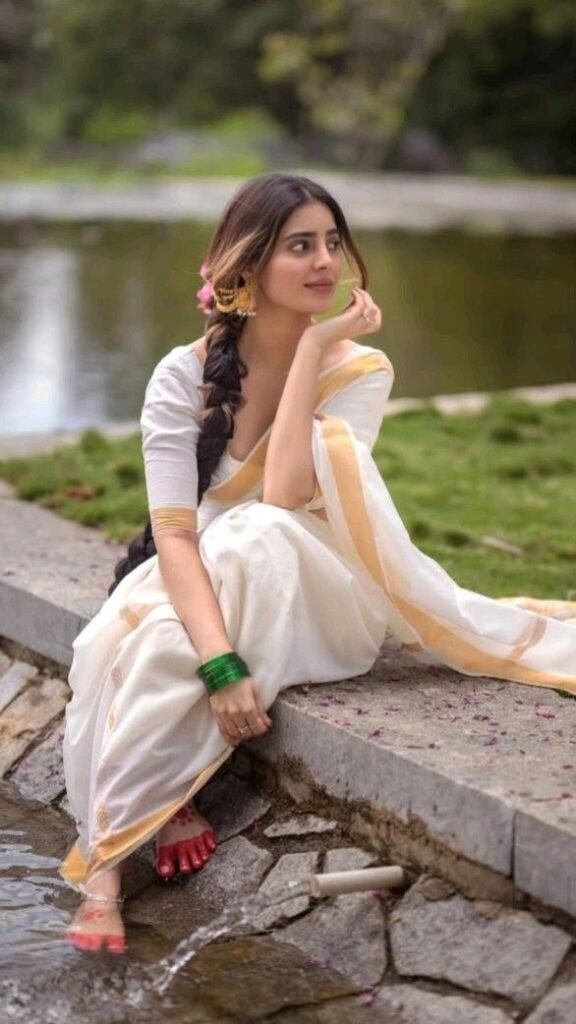
Indian wear has always been an important part of fashion and culture. It reflects traditions, craftsmanship, elegance, and comfort while adapting to modern trends. From festive celebrations and weddings to office gatherings and casual outings, people choose ethnic outfits for their timeless appeal and versatility.The beauty of Indian wear lies in its variety. Different regions of India contribute unique styles, fabrics, embroidery techniques, and designs that make ethnic fashion diverse and attractive. Whether someone prefers a classic saree, a stylish kurta set, or a contemporary fusion outfit, there is something suitable for every occasion.
In this guide, we will explore the history, popular styles, fabrics, styling tips, and latest trends that make ethnic fashion a preferred choice for people across generations.
Table of Contents
The Rich Heritage Behind Traditional Fashion
India has a long history of textile production and garment design. For centuries, artisans have created beautiful fabrics using handloom weaving, intricate embroidery, and dyeing techniques. These traditions have helped preserve cultural identity while contributing to the country’s fashion industry.
Over time, traditional clothing evolved to match changing lifestyles. Designers began blending classic craftsmanship with modern silhouettes, creating outfits that appeal to both traditional and contemporary preferences. As a result, Indian wear continues to remain relevant in today’s fashion world.
Popular Types of Ethnic Outfits
Sarees
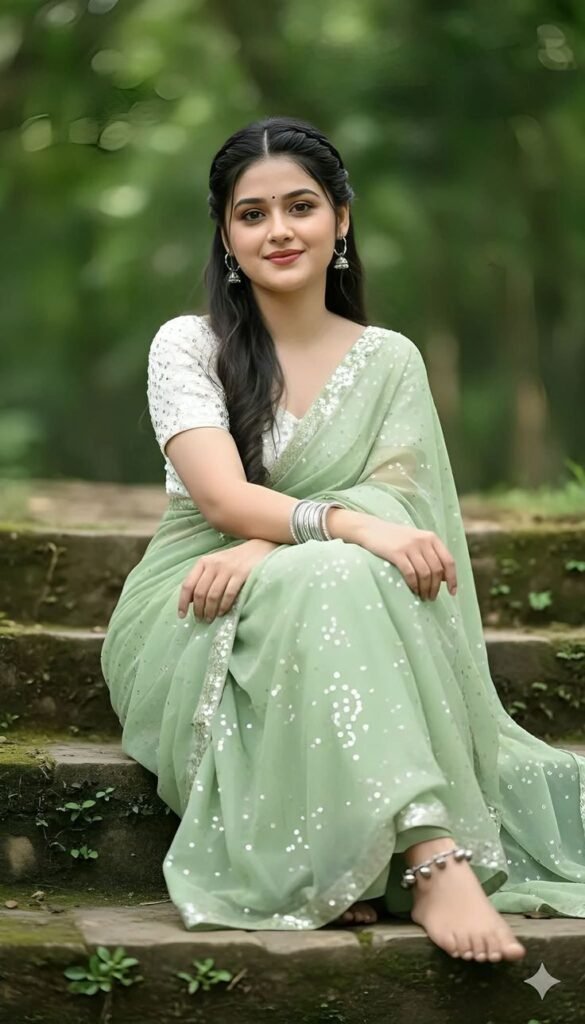
The saree is one of the most iconic garments in India. Available in countless fabrics, colors, and patterns, it can be worn for formal events, weddings, festivals, and daily use.
Popular saree styles include:
- Silk sarees
- Cotton sarees
- Chiffon sarees
- Georgette sarees
- Organza sarees
- Banarasi sarees
A well-draped saree offers elegance and sophistication, making it a timeless wardrobe essential.
Salwar Suits
Salwar suits are known for comfort and versatility. They typically include a kurta, salwar or pants, and a dupatta. These outfits are suitable for work, college, family gatherings, and festive celebrations.
Many women prefer salwar suits because they combine style with ease of movement.
Kurtis
Kurtis have become a popular everyday fashion choice. They can be paired with leggings, jeans, palazzos, or skirts to create different looks.
Modern designs feature:
- Floral prints
- Embroidery
- Mirror work
- Digital prints
- Minimalist patterns
Lehengas
Lehengas are often associated with weddings and grand celebrations. They consist of a skirt, blouse, and dupatta.
Designer lehengas are available in:
- Velvet
- Silk
- Net
- Organza
- Georgette
These outfits showcase detailed craftsmanship and luxurious designs.
Anarkali Dresses
Anarkali suits feature a fitted bodice and a flowing silhouette. Their royal appearance makes them suitable for festive occasions and formal events.
Many fashion enthusiasts choose Indian wear like Anarkali suits when they want an elegant and graceful appearance.
Fabrics Commonly Used in Ethnic Fashion
The fabric of an outfit greatly influences its comfort, appearance, and suitability for different occasions.
Cotton
Cotton is lightweight, breathable, and ideal for warm weather. It is commonly used in daily and office wear.
Silk
Silk is associated with luxury and celebration. Its rich texture makes it a preferred choice for weddings and festivals.
Georgette
Georgette drapes beautifully and creates a flattering silhouette. It is often used in sarees, suits, and gowns.
Chiffon
Chiffon is soft and lightweight, making it comfortable for long hours of wear.
Organza
Organza offers a structured and elegant appearance. It has become increasingly popular for modern ethnic designs.
The wide variety of fabrics ensures that Indian wear remains suitable for every season and event.
Choosing the Right Outfit for Different Occasions
Festive Celebrations
Festivals call for vibrant colors, intricate embroidery, and traditional silhouettes. Bright shades such as red, yellow, green, and royal blue are commonly chosen.
Weddings
Wedding attire often includes heavily embellished sarees, lehengas, and designer suits. Rich fabrics and detailed craftsmanship help create a memorable look.
Office Wear
For professional settings, simple kurtis, cotton suits, and subtle ethnic ensembles provide comfort and elegance.
Casual Gatherings
Lightweight outfits with minimal embellishments work well for family outings and informal events.
Many people appreciate Indian wear because it offers suitable options for every occasion without compromising style.
Styling Tips for a Stunning Look
Select Appropriate Accessories
Accessories can transform an outfit instantly.
Popular choices include:
- Earrings
- Bangles
- Necklaces
- Rings
- Handbags
Choose accessories that complement rather than overpower the outfit.
Focus on Footwear
The right footwear enhances both comfort and style.
Suitable options include:
- Juttis
- Mojaris
- Sandals
- Heels
- Kolhapuri chappals
Experiment with Hairstyles
Traditional outfits pair beautifully with:
- Braids
- Buns
- Soft curls
- Ponytails
A well-chosen hairstyle completes the overall appearance.
Pay Attention to Color Coordination
Coordinating colors effectively creates a balanced and polished look. Neutral accessories often work well with brightly colored garments.
When styled thoughtfully, Indian wear can create a sophisticated and memorable fashion statement.
Latest Trends in Ethnic Fashion
Fashion trends continue to evolve while preserving traditional elements.
Current trends include:
Pastel Shades
Soft colors such as blush pink, lavender, mint green, and powder blue have become increasingly popular.
Floral Designs
Floral prints and embroidery add freshness and elegance to outfits.
Minimalist Embroidery
Many modern consumers prefer subtle embellishments that offer sophistication without excessive detailing.
Fusion Fashion
Fusion outfits combine traditional and contemporary elements. Examples include pairing ethnic jackets with western clothing or wearing crop tops with lehengas.
Sustainable Fashion
Consumers are becoming more conscious of environmentally friendly fabrics and ethical production methods.
These innovations help Indian wear remain relevant in an ever-changing fashion landscape.
Importance of Ethnic Fashion in Modern Life
Traditional clothing represents more than style. It reflects cultural heritage, artistic excellence, and personal identity.
Many individuals choose ethnic outfits to:
- Celebrate traditions
- Express cultural pride
- Support local artisans
- Enjoy timeless elegance
Despite changing fashion trends, Indian wear continues to hold a special place in wardrobes because of its versatility and emotional significance.
Caring for Traditional Garments
Proper maintenance helps preserve the beauty and longevity of ethnic outfits.
Read Care Instructions
Always follow the washing guidelines provided by the manufacturer.
Store Carefully
Use garment bags and proper hangers to prevent damage.
Protect Delicate Embroidery
Handle embellished garments gently to avoid loosening decorative elements.
Avoid Excessive Sunlight
Long exposure to direct sunlight may fade colors and weaken fabrics.
Regular care ensures that Indian wear remains beautiful and wearable for years.
Why Ethnic Fashion Continues to Grow
The popularity of traditional clothing continues to increase due to several factors:
- Greater appreciation for cultural heritage
- Influence of fashion designers
- Growth of online shopping
- Celebrity endorsements
- Availability of modern styles
Consumers today seek clothing that combines comfort, elegance, and authenticity. This demand has contributed to the continued success of Indian wear in domestic and international markets.
Shopping Tips for Ethnic Clothing
When purchasing traditional outfits, consider the following:
Understand the Occasion
Choose the level of embellishment and fabric according to the event.
Prioritize Comfort
Comfort is just as important as appearance, especially for long celebrations.
Check Fabric Quality
High-quality materials improve durability and overall appearance.
Review Sizing Carefully
Proper fit enhances confidence and comfort.
Compare Designs
Exploring multiple options helps identify styles that suit personal preferences.
Investing in quality Indian wear can provide long-lasting value and versatility.
The Global Appeal of Traditional Indian Fashion
Indian fashion has gained recognition around the world. International designers often incorporate traditional techniques such as embroidery, weaving, and handcrafted embellishments into their collections.
Fashion enthusiasts worldwide appreciate the vibrant colors, detailed craftsmanship, and unique aesthetics associated with Indian wear. Cultural events, destination weddings, and global fashion shows have further increased its popularity.
As global interest grows, artisans and designers receive greater opportunities to showcase their creativity on an international stage.
How to Choose the Perfect Indian Wear for Your Body Type
Selecting the right outfit is not only about following fashion trends. Understanding your body shape can help you choose clothing that enhances your appearance and boosts confidence. The right Indian wear can highlight your best features while ensuring comfort throughout the day.
For Pear-Shaped Body Types
Individuals with a pear-shaped body usually have narrower shoulders and a wider lower body. To create balance, choose outfits with detailed necklines, embroidered tops, or statement sleeves. A-line kurtas and Anarkali suits can provide a flattering silhouette.
For Apple-Shaped Body Types
People with an apple-shaped body often carry more weight around the midsection. Straight-cut kurtas, flowy fabrics, and V-neck designs can create a balanced appearance. Avoid overly tight garments and opt for comfortable fits that provide elegance and ease.
For Hourglass Figures
An hourglass body shape is characterized by balanced proportions and a defined waist. Most styles work well for this body type, including sarees, fitted kurtas, and lehengas. Well-tailored Indian wear can beautifully enhance natural curves.
For Rectangle Body Types
Those with a rectangle body shape can create the illusion of curves through layered designs, peplum tops, and flared silhouettes. Outfits with detailed embroidery and structured tailoring can add dimension and visual interest.
The Role of Colors in Ethnic Fashion
Color selection plays a major role in creating a memorable look. Different colors convey different moods and suit various occasions.
Red
Red symbolizes celebration, passion, and prosperity. It remains one of the most popular choices for weddings and festive events.
Yellow
Yellow represents positivity, happiness, and energy. It is commonly worn during traditional ceremonies and daytime celebrations.
Green
Green is associated with freshness, growth, and harmony. It works beautifully for both casual and festive occasions.
Blue
Blue offers a sophisticated and elegant appearance. From royal blue to pastel shades, it remains a versatile option.
White
White signifies simplicity and grace. Modern designers often use white as a base for intricate embroidery and contemporary ethnic styles.
Choosing the right colors can make your Indian wear stand out while complementing your skin tone and personal style.
Why Online Shopping Has Increased the Popularity of Ethnic Fashion
The growth of online shopping has made ethnic fashion more accessible than ever before. Customers can now browse thousands of styles, compare prices, and shop from the comfort of their homes.
Benefits of online shopping include:
- Access to a wider range of designs
- Convenient price comparisons
- Easy home delivery
- Availability of customer reviews
- Seasonal discounts and offers
Online platforms have also enabled small businesses and artisans to reach customers across different regions and countries. As a result, more people can discover unique collections of Indian wear that were previously difficult to access.
Future of Indian Ethnic Fashion
The future of ethnic fashion looks promising as designers continue to innovate while respecting traditional craftsmanship. Technology, sustainability, and personalization are expected to shape upcoming trends.
Consumers are increasingly looking for clothing that combines style, comfort, and environmental responsibility. This shift is encouraging brands to adopt sustainable fabrics and ethical production methods.
At the same time, modern silhouettes, lightweight fabrics, and fusion styles are attracting younger generations. These developments ensure that Indian wear will continue to evolve while preserving its cultural significance and timeless appeal.
Conclusion
Traditional fashion remains a powerful blend of heritage, artistry, and modern style. From elegant sarees and comfortable kurtis to luxurious lehengas and sophisticated Anarkali suits, ethnic clothing offers endless possibilities for self-expression.
The enduring popularity of Indian wear comes from its ability to honor cultural traditions while embracing contemporary trends. With a wide range of fabrics, designs, and styling options available, it continues to meet the needs of modern consumers across different occasions and preferences.
Whether you are attending a wedding, celebrating a festival, going to work, or simply enjoying a casual outing, Indian wear provides the perfect balance of comfort, elegance, and timeless beauty.